Neurofeedback Therapy in NYC for Personalized, Neuroscience-Based Brain Care
At Brain Resource Center (BRC), we help clients explore a structured approach to brain training within a specialized care environment.
25+ Years of Clinical and Neuroscience Experience
Assessment-Led Treatment Recommendations
Multiple Brain Training Approaches
Protocols Developed Around Individual Goals

Potential Benefits of Neurofeedback Training
Neurofeedback uses real-time brain activity feedback to support self-regulation through personalized training. Depending on individual needs and assessment findings, it may offer several potential benefits for people exploring specialized brain-based care.
-

Improved Focus
Neurofeedback training may support attention regulation and concentration. It can be explored by individuals who experience distractibility or difficulty maintaining focus during daily activities.
-

Better Sleep
Certain training protocols may target brain activity patterns associated with relaxation and regulation, making neurofeedback worth exploring for some individuals with sleep concerns.
-

Non-Invasive Training
Traditional EEG-based neurofeedback uses scalp sensors to monitor brain activity and provide feedback without surgery or electrical stimulation to the brain.
-

Emotional Balance
Personalized training may help individuals work toward better self-regulation and awareness of emotional responses during stressful situations.
-

Cognitive Support
Individuals interested in memory, mental clarity, and cognitive performance may explore neurofeedback as part of an individualized brain wellness plan.
-
Stress Management
Neurofeedback may be considered as an additional approach for individuals experiencing ongoing stress or difficulty managing everyday emotional demands.

Understanding Neurofeedback Therapy and How It Works
Neurofeedback is a brain-training approach that uses real-time displays of brain activity to help individuals develop self-regulation skills. It has been explored for concerns such as anxiety, depression, ADHD, and cognitive performance.
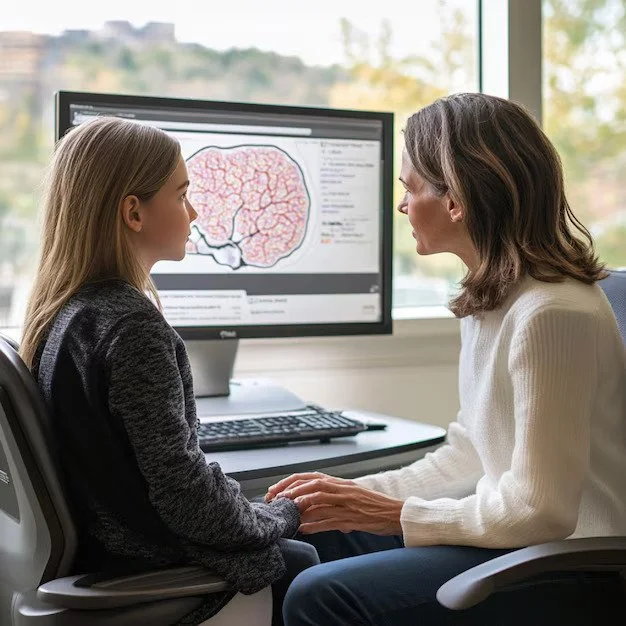
The process typically begins with a brain mapping assessment to examine electrical activity and identify patterns relevant to your concerns. These findings help clinicians consider an individualized training approach based on their needs and treatment goals. Many people assume specialized brain care is only for neurological disorders. A brain performance center supports a wide variety of individuals seeking improved mental and cognitive wellbeing.
Signs That Neurofeedback in NYC May Be Worth Exploring
People explore neurofeedback for different reasons, including attention difficulties, emotional challenges, sleep concerns, or limited progress with existing treatments. These experiences may make a professional assessment worth considering.
- Focus Issues You struggle to maintain attention, complete tasks, or stay engaged during work, study, or conversations.
- Emotional Regulation You experience ongoing stress, emotional overwhelm, or difficulty managing everyday reactions.
- Sleep Problems You have trouble winding down, maintaining consistent sleep, or feeling mentally relaxed at bedtime.
- Child Behavior Your child experiences difficulties with attention, impulse control, following instructions, or managing daily activities.
- Treatment Progress You continue experiencing concerns despite trying psychotherapy, medication, or other treatment approaches.
- Cognitive Wellness You want to better understand your attention, mental clarity, and cognitive functioning to support personal or professional goals.

Explore BRC's Neurofeedback Services and Personalized Training Approaches
Our neurofeedback clinic offers different brain activity training methods, including traditional EEG neurofeedback, LENS, and HEG. Each approach uses a distinct feedback method, with selection based on individual assessment findings, clinical needs, and treatment goals.
Traditional EEG Training
Traditional neurofeedback uses scalp sensors to monitor brainwave activity and provide real-time audio or visual feedback to support self-regulation. BRC offers several training protocols, including Alpha/Theta Training for relaxation and self-regulation, SMR Training for attention and regulation, Theta/Beta Training based on individual brainwave patterns, and specialized protocols developed through BRC's experience.
LENS Therapy
The Low Energy Neurofeedback System (LENS) uses EEG measurements alongside very low-intensity electromagnetic feedback signals. It provides feedback without requiring the same level of conscious participation as traditional neurofeedback.
HEG Training
Hemoencephalography (HEG) monitors changes associated with blood flow in selected brain regions and provides feedback during structured training sessions. BRC offers Passive Infrared HEG (PIRHEG), which uses infrared measurements, and Near-Infrared HEG (NIRHEG), which uses near-infrared light to assess changes associated with blood oxygenation and circulation.
The suitability of each approach depends on individual assessment findings, clinical needs, and treatment goals.

Our Treatment Process for Neurofeedback in NYC
Starting a brain-training program begins with understanding your concerns, assessment needs, and treatment goals. At BRC, each step is designed to support an individualized approach to care.
-
We discuss your concerns, medical and mental health history, previous treatments, and personal goals. Parents can also share their child's developmental and behavioral history. Pricing and payment arrangements are discussed before starting.
-
When appropriate, BRC may recommend qEEG, EEG, or other assessment methods to record brain activity. The findings are reviewed alongside your clinical information to understand relevant patterns.
-
Based on your assessment, the clinician determines whether neurofeedback is suitable and recommends an appropriate approach, such as traditional EEG training, LENS, HEG, or a combination of methods.
-
During traditional EEG sessions, scalp sensors monitor brain activity while specialized software provides audio or visual feedback. The setup may vary depending on the selected training method.
-
Your clinician reviews changes in reported concerns, daily functioning, and training responses. The protocol may be adjusted when needed. Session frequency and program duration depend on individual needs rather than on a fixed schedule.

Start Your Neurofeedback Therapy Journey in NYC
If you are considering neurofeedback therapy in NYC, Brain Resource Center offers an individualized approach guided by your concerns, assessment findings, and personal goals. Whether you want to explore support for focus, emotional regulation, stress, or cognitive performance, our team can help you understand your options. Schedule a consultation to discuss your needs, learn about our assessment process, and determine whether neurofeedback in New York City may be appropriate for you.
Frequently Asked Questions
-
For individuals experiencing attention to difficulties, stress, sleep concerns, or challenges with emotional regulation, neurofeedback may be worth exploring. Its suitability depends on personal needs, assessment of findings, and clinical recommendations.
-
Neurofeedback training may be considered an additional approach for individuals with ADHD or attention-related concerns. A clinician can assess whether a specific training protocol is appropriate as part of a broader care plan.
-
Neurofeedback may be incorporated into a broader care plan for some individuals experiencing anxiety or depression. It can be considered alongside appropriate mental health care, including psychotherapy, based on individual clinical needs.
-
During a traditional EEG neurofeedback session, sensors are placed on the scalp to monitor electrical brain activity. You receive real-time audio or visual feedback while following a structured training protocol selected for your goals.
-
The number of sessions varies depending on individual concerns, assessment findings, and response to training. Your clinician can discuss a possible schedule and review progress as the program continues.