

Post-Traumatic Stress Disorder Treatment in NYC
PTSD Symptoms Can Be Debilitating
Avoidance of situations, activities, or people that bring back memories of the trauma
Being easily startled or frightened
Feeling detached from friends and family, difficulty maintaining relationships
Feeling emotionally numb
Heightened emotional and physical reactions
Memory problems, including not remembering details about the traumatic event itself
Negative changes in thinking and mood
Nightmares and flashbacks
Reliving the traumatic event as if it were happening again (flashbacks)
Self-destructive behavior such as substance abuse, reckless driving, etc.
Upsetting dreams or nightmares about the event
WHAT IS POST TRAUMATIC STRESS DISORDER (PTSD)?
Posttraumatic Stress Disorder (PTSD) is a psychiatric disorder that can occur in people who have experienced or witnessed a traumatic event such as a natural disaster, a serious accident, a terrorist act, war/combat, rape, or another violent, personal assault.
Unwanted reactions may last months or years, with triggers that can bring back memories of the trauma accompanied by intense emotional and physical reactions that can be severely debilitating. Recurring memories and heightened sensitivity to the environment can cause even neutral stimuli to appear as threatening or dangerous.
Brain maps reveal that people with PTSD exhibit excessive activation in the fear network of the brain. Living in a prolonged and heightened state of fear can have long-term psychological and physiological consequences. Processing the traumatic event and restoring calm and control to the brain and body are crucial for recovering from PTSD.

Retrain PTSD brain with Neurofeedback and CBT
PTSD can have wide-ranging impacts on an affected individual’s life. Thankfully, a wide range of techniques have proven effective at helping individuals to rebalance their bodies and brains, process and integrate traumatic events into their lives, and reconnect with the world around them.
Neurofeedback therapy can retrain the brain to produce a calmer and less fearful state of mind. It can also help your brain to break free of the fear-driven loops individuals with PTSD may experience, with constant flashbacks, extreme emotional reactions to neutral stimuli, and avoidance of people and places that might be triggering. When used in conjunction with Cognitive-Behavioral Therapy (CBT), patients can work to process the traumatic event, and untangle it from their day-to-day lives, relearning how to move through the world without the hyper-vigilance and arousal that is characteristic of those with PTSD.
Benefits of Neurofeedback Therapy PTSD in NYC
Many people seek alternative or complementary treatments to medication when managing PTSD symptoms. Neurofeedback therapy PTSD in NYC offers several potential benefits.
-

Drug-Free Approach
Neurofeedback supports natural brain regulation without administering medication during sessions. It can complement existing treatment plans under professional guidance. This makes it an excellent option for individuals looking to reduce reliance on medication while continuing evidence-based PTSD care.
-

Non-Invasive Technology
Small sensors are placed on the scalp to monitor brainwave activity only. Nothing is sent into the brain, making the procedure safe and comfortable. Most people find sessions relaxing, with no pain, downtime, or recovery period required afterward.
-

Personalized Treatment
Every treatment plan is guided by qEEG brain mapping and clinical assessment. Sessions are adjusted to match your unique brain activity and recovery goals. This individualized approach helps address the specific brain patterns contributing to your PTSD symptoms.
-

Real-Time Brain Feedback
Advanced software provides immediate audio and visual feedback based on your brainwaves. This helps the brain gradually learn healthier patterns of self-regulation. Over time, these repeated adjustments can improve emotional balance, focus, and stress management.
-

Tracks Measurable Progress
Regular assessments allow clinicians to monitor changes in brain activity over time. Treatment plans can be refined as your symptoms and brain function improve. This ongoing monitoring provides clear insights into your progress throughout the therapy process.
-
Encourages Long-Term Brain Health
Repeated sessions strengthen healthier neural pathways associated with emotional regulation and resilience. The goal is lasting improvement beyond the treatment period. Many individuals experience continued benefits as their brain becomes more efficient at managing stress and emotional responses.
Understanding Post Traumatic Stress Disorder
Post Traumatic Stress Disorder (PTSD) is a mental health condition that may develop after experiencing or witnessing a traumatic event. These events can include military combat, physical assault, sexual violence, serious accidents, natural disasters, medical emergencies, or the sudden loss of a loved one.
While many people naturally recover from traumatic experiences over time, others continue to experience persistent symptoms that interfere with work, relationships, sleep, and overall quality of life. The brain remains in a heightened state of alertness, making even ordinary situations feel unsafe.
Professional PTSD treatment in New York aims to help the brain process traumatic memories, reduce hyperarousal, and restore healthier emotional regulation. With proper treatment, many individuals experience meaningful improvements in their daily functioning and emotional well-being.
Common Symptoms of PTSD
PTSD symptoms vary from person to person and may appear immediately after trauma or months later.
Re-experiencing Symptoms
Flashbacks: Reliving traumatic events vividly, making past experiences feel frighteningly present again.
Nightmares: Disturbing dreams related to trauma that disrupt restful sleep and recovery.
Disturbing memories: Unwanted traumatic memories repeatedly surface, causing emotional discomfort and distress.
Emotional distress when reminded of trauma: Strong emotional reactions occur when facing trauma-related people, places, or situations.
Physical reactions to reminders: Sweating, rapid heartbeat, shaking, or nausea triggered by trauma-related reminders.
Avoidance Behaviors
Avoiding places or people: Staying away from locations or individuals associated with traumatic experiences whenever possible.
Avoiding conversations about the event – Refusing discussions that may trigger painful memories or overwhelming emotional responses.
Emotional withdrawal – Becoming emotionally distant from family, friends, and important personal relationships over time.
Loss of interest in activities – No longer enjoying hobbies, social events, or activities once considered meaningful.
Changes in Mood
Persistent sadness – Ongoing feelings of sadness that interfere with daily functioning and motivation.
Emotional numbness: Feeling disconnected from emotions, making it difficult to experience happiness or affection.
Feelings of guilt or shame: Blaming yourself for traumatic events despite having little or no responsibility.
Difficulty trusting others – Struggling to build relationships due to fear, suspicion, or emotional vulnerability.
Increased Arousal
Hypervigilance – Constantly scanning surroundings for danger, even when no threat is present.
Being easily startled – Reacting intensely to sudden noises, movements, or unexpected situations around you.
Difficulty sleeping: Trouble falling asleep or staying asleep because of stress or nightmares.
Irritability: Frequently feeling frustrated or annoyed over situations that previously seemed manageable.
Angry outbursts – Experiencing sudden episodes of intense anger that are difficult to control.
Difficulty concentrating: Finding it hard to focus, remember information, or complete everyday tasks.
Seeking PTSD Therapy in NYC can help address these symptoms before they continue affecting work, relationships, and overall well-being.
Our Integrated Approach to Post Traumatic Stress Disorder Treatment in NYC
Successful trauma treatment often involves multiple evidence-based therapies working together. Our comprehensive Post Traumatic Stress Disorder Treatment in NYC combines advanced neuroscience with established psychological interventions to support whole-person recovery. Treatment may include:
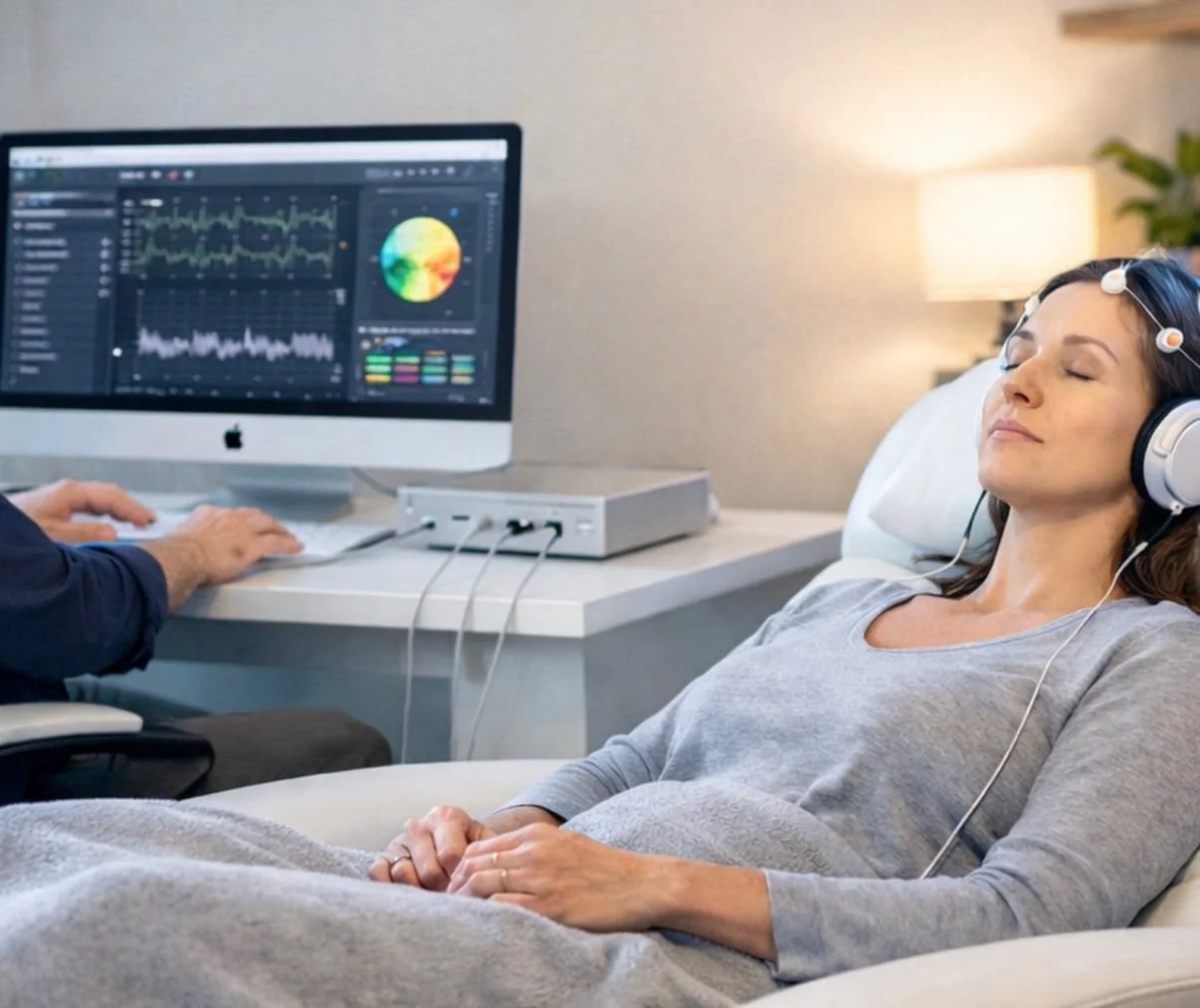
Clinical psychological evaluation: Thorough psychological assessments identify symptoms, trauma history, emotional challenges, and appropriate treatment priorities accurately.
Quantitative EEG (qEEG) brain mapping: Advanced brainwave analysis identifies dysregulated patterns contributing to PTSD symptoms and emotional difficulties.
Neurofeedback therapy: Real-time brainwave training promotes healthier neural activity, emotional regulation, and improved cognitive functioning naturally.
Cognitive Behavioral Therapy (CBT): Evidence-based counseling helps restructure negative thoughts, strengthen coping skills, and reduce trauma-related distress.
Progress monitoring: Regular clinical reviews evaluate symptom improvements, treatment effectiveness, and ongoing recovery milestones throughout therapy.
Personalized treatment adjustments – Treatment strategies are continually refined based on progress, assessments, evolving symptoms, and recovery goals.
Each care plan is individualized based on brain assessment findings, clinical history, symptom severity, and personal recovery goals.
How Neurofeedback Training PTSD in NYC Works?
Our structured neurofeedback training PTSD in NYC follows several carefully designed stages.
Initial Assessment: Every patient begins with a detailed consultation and clinical evaluation. This helps identify current symptoms, trauma history, and individual treatment goals before therapy begins.
Brain Mapping: Advanced qEEG technology identifies areas of brain dysregulation linked to trauma symptoms. The results provide objective data that guides the development of a personalized treatment plan.
Personalized Training Protocol: Treatment settings are customized according to your individual brain activity rather than using a one-size-fits-all approach. Protocols are adjusted throughout treatment to reflect your progress and changing neurological needs.
Interactive Sessions: During treatment, the brain receives immediate feedback while watching videos or listening to audio. This real-time feedback encourages healthier brainwave patterns through a comfortable and engaging learning process.
Progressive Brain Learning: Over multiple sessions, the brain gradually develops healthier patterns associated with emotional regulation and resilience. Consistent training helps reinforce these positive changes, supporting long-term improvements in daily functioning.
This personalized neurofeedback training PTSD in NYC supports long-term neurological improvement rather than simply masking symptoms.
Take the First Step Toward Recovery
Living with trauma can feel overwhelming, but recovery is possible with the right support and evidence-based care. At the Brain Resource Center, our personalized post traumatic stress disorder treatment in NYC combines advanced brain mapping, PTSD therapy, and innovative neurofeedback techniques to address the neurological and psychological effects of trauma. Our compassionate team is here to guide you through every stage of recovery with individualized care designed to help you move forward with greater confidence, resilience, and lasting emotional balance.
Frequently Asked Questions
-
Treatment duration varies depending on symptom severity, trauma history, treatment goals, and individual progress. Your clinician will discuss expected timelines during your evaluation. Regular progress reviews help determine whether adjustments or continued therapy are recommended.
-
No. Neurofeedback is completely non-invasive. Sensors simply monitor brainwave activity while feedback helps the brain learn healthier regulation. Most patients find sessions comfortable, relaxing, and free from any discomfort or recovery time.
-
Many individuals benefit from therapies such as CBT and brain training for PTSD, although treatment recommendations vary based on each person's clinical needs. Your clinician can recommend the most appropriate combination of therapies based on your assessment results.
-
A qEEG brain map records electrical activity across different brain regions, helping clinicians identify patterns associated with PTSD symptoms. The results provide valuable insights that guide a personalized neurofeedback treatment plan.
-
Treatment is supervised by experienced clinical professionals with expertise in neuropsychology, trauma care, and evidence-based interventions. Every treatment plan is developed using clinical assessments and ongoing monitoring to support safe, effective care.
-
Absolutely. Every patient receives an individualized treatment plan based on clinical evaluation, symptom history, and objective brain assessment findings.