
Is Neurofeedback Safe? Potential Side Effects and Safety Considerations
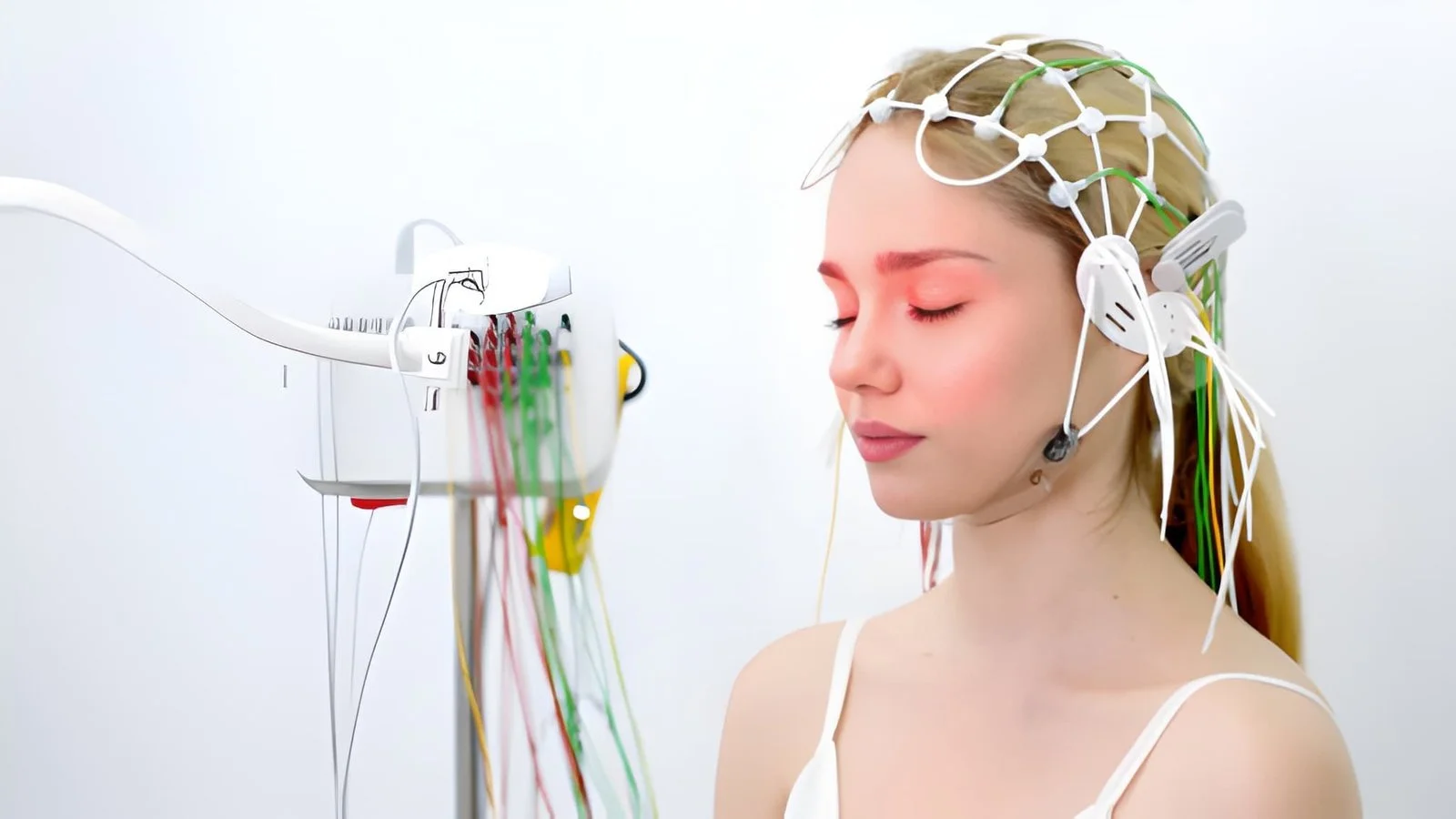
Is neurofeedback safe? Neurofeedback is a non-invasive brain training method that uses real-time information about brain activity to provide feedback during a session. It may be explored for concerns related to attention, stress, sleep, and emotional regulation. People considering neurofeedback therapy may also want to understand how sessions work, what side effects may occur, and how providers monitor treatment.
Neurofeedback has been studied for several conditions, but research findings can vary by condition and treatment approach. Understanding the potential benefits, limitations, and safety considerations can help you have a more informed conversation with a qualified provider before starting treatment.
Key Takeaways
Neurofeedback is generally considered a non-invasive training method.
EEG sensors record brain activity rather than sending electrical current into the brain.
Some people may notice temporary effects such as tiredness or headache.
Individual responses can vary based on the protocol and treatment goals.
A qualified provider should monitor progress and make changes when needed.
Neurofeedback should not automatically replace established medical or mental health care.
What Is Neurofeedback?
Neurofeedback is a form of biofeedback that focuses on brain activity. During a session, sensors are placed on the scalp to record electrical signals produced by the brain. A computer processes these signals and provides feedback through a visual task, sound, or another activity.
The goal is to create a learning process. The person receives information about selected brain activity and responds to the feedback during repeated training. The exact approach depends on the provider, equipment, protocol, and reason for treatment.
What does a neurofeedback session involve?
A typical session may include:
Placing sensors on the scalp
Recording brain activity
Processing the EEG signal
Providing real-time feedback
Completing a guided training task
Reviewing the person's response
The sensors used for EEG neurofeedback record brain activity. They do not work like electrical stimulation devices that send current into the brain.
Is Neurofeedback Safe for Most People?
For many people, neurofeedback is considered a low-risk and non-invasive form of training. Research has generally found good tolerability, although studies have used different protocols and have focused on different conditions.
A systematic review of neurofeedback for ADHD reported that adverse events were not a major concern across the studies reviewed. However, the authors also noted differences in how safety information was reported.
This does not mean every person will have the same experience. A protocol that is suitable for one person may not be appropriate for another.
What can affect treatment safety?
Several factors may influence how a person responds:
Overall health and medical history
Current symptoms
Treatment goals
Age and developmental needs
Selected neurofeedback protocol
Session length and frequency
Other treatments being used
For this reason, an appropriate intake and individualized treatment plan are important.
What Are Common Neurofeedback Side Effects?
Most people do not experience serious problems during neurofeedback, but some individuals may notice temporary changes during or after training. Reported experiences can vary because neurofeedback systems and protocols are not all the same.
Possible neurofeedback side effects may include:
Headache
Fatigue or tiredness
Difficulty sleeping
Restlessness
Temporary mood changes
Changes in concentration
Mild discomfort from scalp sensors
These experiences should be discussed with the treating provider, especially if they continue, become stronger, or interfere with daily activities.
It is also important to remember that symptoms such as headaches or sleep problems can have many possible causes. A symptom that appears after a session does not automatically mean that neurofeedback caused it.
What Are the Potential Neurofeedback Risks?
When people search for neurofeedback risks, they often want to know whether training can cause lasting harm. Current evidence does not suggest that standard EEG neurofeedback commonly causes serious harm when it is appropriately administered. However, research quality and safety reporting can vary.
A review of adverse events in neurofeedback studies found that safety reporting was inconsistent, making it difficult to compare risks across different protocols.
This is why responsible providers should avoid describing neurofeedback as completely risk-free.
How can providers support safer treatment?
A careful approach may include:
Reviewing the person's health history
Establishing clear treatment goals
Selecting an appropriate protocol
Monitoring the response to training
Tracking changes between sessions
Adjusting the protocol when appropriate
If you notice a new or concerning symptom, tell your provider instead of assuming it is a normal part of treatment.
Is Neurofeedback Treatment Safety Different for Children?
Children may receive neurofeedback for concerns such as attention, self-regulation, or other areas of difficulty. However, children have different developmental needs, so their treatment experience may differ from that of adults.
A provider should explain the process to the child and parent or caregiver in simple, age-appropriate language. The plan should also consider the child's broader health, school needs, behavioral concerns, and other forms of support.
Parents should ask:
Why is neurofeedback being considered?
What type of training will be used?
How will progress be measured?
What changes should parents watch for?
How will unwanted effects be handled?
Should another treatment be used at the same time?
Neurofeedback should not be presented as a universal treatment for every childhood condition.
Can Neurofeedback Cause Headaches or Fatigue?
Headaches and tiredness are among the symptoms that some people may report during or after a session. However, these symptoms can also result from poor sleep, dehydration, stress, medication changes, screen exposure, or an underlying health issue.
The timing and severity of symptoms matter. A mild and short-term change may be handled differently from a persistent or severe symptom.
If you notice symptoms after a session:
Tell your provider what happened.
Note when the symptom started.
Record how long it lasted.
Mention changes in sleep or medication.
Ask whether the training protocol should be reviewed.
Keeping a simple record can help a provider identify patterns and determine whether changes are needed.
Is Neurofeedback Safe With Other Treatments?
Neurofeedback may sometimes be considered alongside other forms of care. However, the right approach depends on the person's symptoms, health history, and treatment plan.
Someone receiving therapy, taking medication, or working with another healthcare professional should tell each provider about the treatments they are using. This helps the care team make better-informed decisions.
For example, someone exploring natural anxiety relief may also use sleep strategies, exercise, relaxation techniques, therapy, or other approaches. Neurofeedback should be discussed as one possible option rather than presented as a guaranteed replacement for established care.
The National Institute of Mental Health provides reliable information about mental health conditions and treatment approaches. Explore mental health information from NIMH.
What Does Research Say About Neurofeedback Safety?
Research generally suggests that neurofeedback is well tolerated, but safety evidence should still be interpreted carefully. Studies may use different training methods, conditions, session schedules, and reporting standards.
A systematic review published in European Child & Adolescent Psychiatry found that neurofeedback appeared to be well tolerated in the ADHD studies examined. The review also noted the need for better reporting of adverse events.
This is important because a favorable safety profile does not mean a treatment is suitable for everyone.
What should you look for when reviewing safety research?
Consider:
What condition was studied?
Which protocol was used?
How many people took part?
Were adverse events clearly reported?
Was there a control group?
How long were participants followed?
These questions help put research findings into the right context.
How Can You Choose a Safe Neurofeedback Provider?
Choosing a qualified provider is an important part of the treatment process. Neurofeedback is not one single treatment. Different systems and protocols may use different training targets and methods.
A good provider should be able to explain why a particular approach is being recommended. They should also discuss the evidence, limitations, expected outcomes, and what happens if the person does not respond as expected.
Look for a provider who:
Has relevant professional credentials
Explains treatment in clear language
Uses an individualized plan
Reviews your health and treatment history
Tracks progress over time
Discusses possible unwanted effects
Avoids promising guaranteed results
People researching neurofeedback New York should also consider provider qualifications, assessment methods, treatment protocols, location, and the type of support available throughout care.
When Should You Stop or Reconsider Neurofeedback?
Neurofeedback should not be treated as something you must continue regardless of how you feel. If symptoms become persistent, severe, or concerning, tell your provider promptly.
The provider may need to review the protocol, session length, training target, or overall treatment plan. In some cases, another type of assessment or treatment may be more appropriate.
Contact your healthcare provider if you experience:
Severe or persistent headaches
Significant sleep changes
Major mood changes
New or worsening symptoms
Symptoms that interfere with daily activities
A reaction that concerns you
For urgent or severe medical symptoms, seek appropriate medical care rather than relying on neurofeedback or another complementary approach.
Neurofeedback and Specific Health Concerns
Neurofeedback is sometimes discussed alongside many different health concerns. However, each condition requires its own evidence and clinical approach.
For example, someone searching for neurofeedback for depression may need a broader assessment of mood symptoms and other treatment options. Likewise, people researching tourette syndrome treatments should work with professionals who understand the condition and its established treatment approaches.
Neurofeedback may also be discussed in neurological rehabilitation settings. Brain Mapping for Stroke Recovery is a separate topic that can involve different assessment methods and clinical goals, so it should not be confused with standard neurofeedback training.
Why does the distinction matter?
Different conditions require different assessments.
Evidence may vary between treatment areas.
A protocol used for one concern may not apply to another.
Treatment should be based on individual clinical needs.
A qualified professional can help determine appropriate next steps.
Conclusion
Understanding is neurofeedback safe requires looking at both the non-invasive nature of EEG-based training and the limits of current research. Neurofeedback records brain activity and provides feedback during training, and research generally suggests that it is well tolerated. However, individual responses can differ, and no treatment should be described as completely risk-free.
A thoughtful treatment plan includes proper assessment, an appropriate protocol, progress monitoring, and open communication about unwanted symptoms. This approach can help determine whether neurofeedback is a reasonable option for a particular person.
If you are considering neurofeedback and want to understand whether it may be appropriate for your needs, contact Brain Resource Center to discuss your goals, assessment options, and personalized treatment approach.
Frequently Asked Questions
-
Neurofeedback is generally considered a non-invasive training method, and research has found it to be well tolerated in many studies. However, individual responses can vary. A qualified provider should review your needs, monitor your response, and adjust treatment when appropriate.
-
Some people may report temporary headache, tiredness, restlessness, sleep changes, or changes in mood or concentration. These symptoms can have many possible causes, so they should be discussed with the treating provider.
-
Current research does not show that standard EEG neurofeedback commonly causes permanent brain damage. However, safety reporting varies between studies and protocols. Neurofeedback should be provided using an appropriate protocol with professional oversight.
-
Neurofeedback has been studied in children, including for attention-related concerns. However, suitability depends on age, health, symptoms, and the child's ability to participate. Parents should discuss the treatment plan and available alternatives with a qualified professional.
-
Neurofeedback should not automatically be considered a replacement for medication, psychotherapy, or other established treatments. Whether it can be used alongside another treatment depends on the individual's needs and should be discussed with qualified healthcare professionals.
